
Health
Park Rapids woman suffers life threatening injuries in Otter Tail County crash
By Carlos Martinez
Advertisement · Why this ad?
Diane Nguyen is an enthusiastic sports reporter with a passion for covering local high school athletics. A graduate of Minnesota State University Moorhead, she has spent the last five years reporting for local sports networks while fostering community pride through her vibrant storytelling.
More from Diane →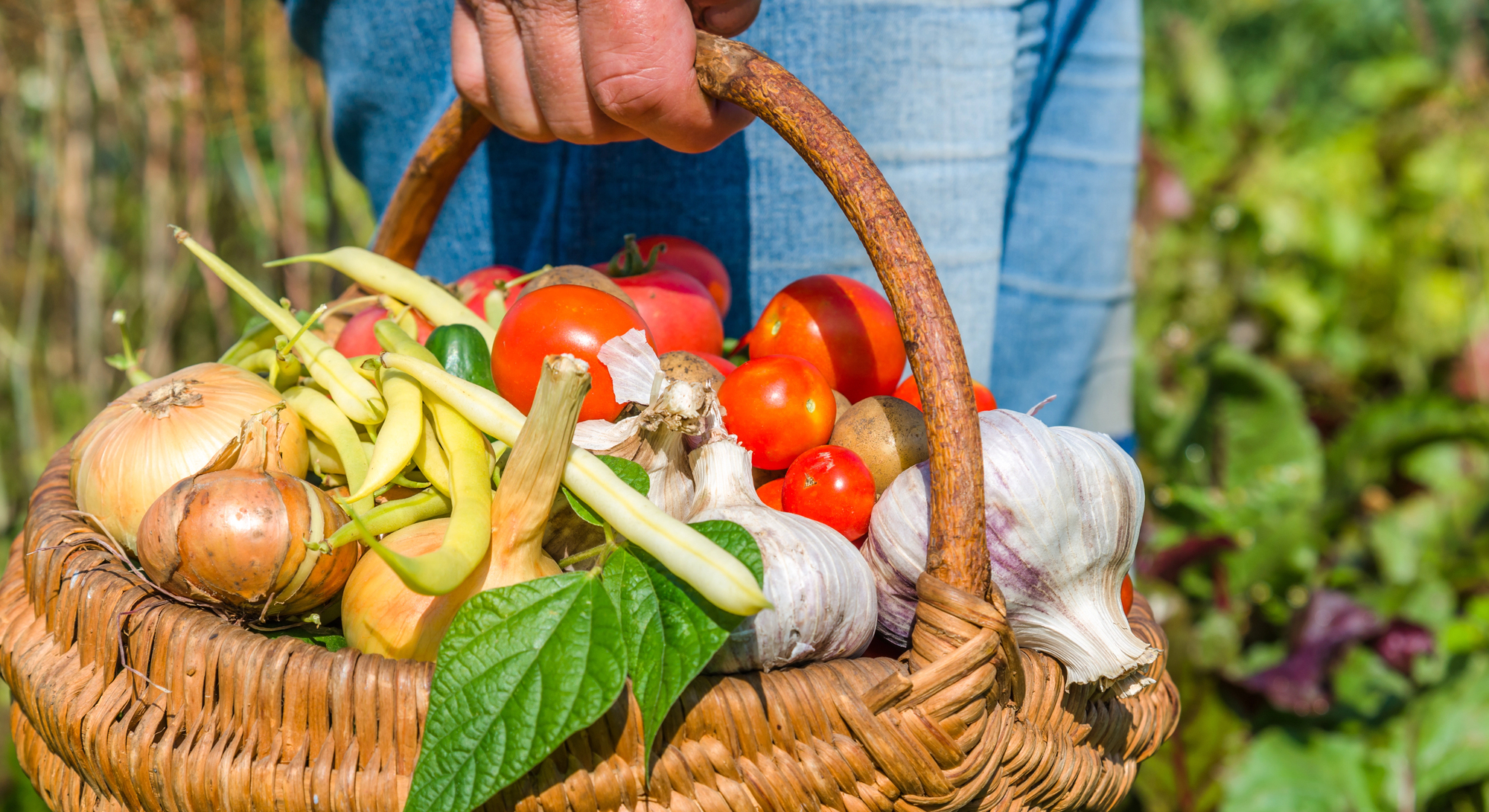
On a brisk autumn morning in Fargo, a group of dedicated local farmers gathered around their screens, eager to enhance their knowledge about produce safety. This moment marks a significant step in ensuring that North Dakota's rich agricultural heritage continues to thrive while maintaining the highest standards of food safety. As the North Dakota Department of Agriculture rolls out its free remote Produce Safety Alliance Grower Trainings, the excitement among growers is palpable, highlighting a community committed to excellence and sustainability.
The North Dakota Department of Agriculture has teamed up with the North Central Regional Center for Food Safety Modernization Act Training, Extension, and Technical Assistance to provide invaluable training for local produce growers. Agriculture Commissioner Doug Goehring emphasized the importance of this initiative, stating, "North Dakota growers will have access to valuable produce safety education." This training is not just a bonus but a necessity, as it fulfills the Food Safety Modernization Act (FSMA) Produce Safety Rule requirement that mandates at least one supervisor or responsible party on a farm complete recognized food safety training.
These courses are entirely free for North Dakota growers, making it an accessible opportunity for all. Conducted remotely, participants are required to have an internet connection and must keep their cameras on to engage fully throughout the training. This format ensures that even those in the most rural parts of the state can participate without the burden of travel, allowing them to focus on what truly matters—their farms and the safety of the produce they cultivate.
Topics covered in the training include essential areas such as worker health, hygiene, soil amendments, and agricultural water management. Each session is designed not only to educate but also to provide practical strategies for developing a robust farm food safety plan. This comprehensive approach is crucial in today's market, where consumers demand transparency and safety in the food supply.
The response from the local farming community has been overwhelmingly positive. Many growers recognize the significance of this training, not just for compliance but as a means to enhance their operations. Local farmer and community leader, Sarah Jensen, shared her enthusiasm: "This training is a game-changer for us. It’s not just about meeting regulations; it’s about ensuring that we are providing the safest and highest quality produce for our customers. It’s a commitment to our community and our families."
Farmers like Sarah are not just focused on their own success; they understand that their practices impact the entire community. By participating in these courses, they are investing in the future of North Dakota agriculture. The collaborative spirit among growers is evident as they discuss the importance of sharing knowledge and best practices to uplift one another.
Understanding produce safety is critical for maintaining public trust and ensuring the health of consumers. The FSMA was enacted to shift the focus from responding to foodborne illness outbreaks to preventing them. By equipping growers with the necessary tools and knowledge, North Dakota is taking proactive steps to safeguard its agricultural industry and the health of its residents.
Moreover, the importance of this initiative extends beyond compliance and education. It is about building a culture of safety that can resonate through generations. As new farmers enter the field, the knowledge shared during these training sessions can be passed down, creating a legacy of safe farming practices that will benefit the community at large.
For those interested in participating, the training sessions are easy to access. The North Dakota Department of Agriculture has made it simple to register and attend. Growers can find a complete list of dates and times, along with registration details, on the ND Department of Agriculture website. Course materials will be mailed out prior to the training, ensuring that participants are well-prepared to engage with the content.
As the sessions are conducted online, this allows for flexibility and convenience, accommodating the busy schedules of farmers who are often juggling multiple responsibilities. This initiative exemplifies the state's commitment to supporting its agricultural community and ensuring that growers are well-informed.
Moreover, the requirement for participants to engage actively during the course fosters a sense of accountability and encourages a culture of learning. This approach not only enriches the training experience but also strengthens the bonds within the farming community as they learn together.
Looking ahead, the impact of these training sessions is expected to resonate throughout the state. As growers complete their training and implement the lessons learned, North Dakota's agricultural landscape will become even more resilient. The emphasis on safety and quality will likely enhance the reputation of locally grown produce, potentially opening new markets and opportunities for farmers.
Furthermore, as more growers become certified in food safety practices, the entire community benefits from increased consumer confidence. Shoppers are more likely to support local farmers when they know that stringent safety standards are being upheld. This connection between growers and consumers fosters a sense of community and shared values, reinforcing the importance of supporting local agriculture.
In addition, local markets and restaurants that prioritize sourcing from certified growers are likely to see a boost in business as consumers increasingly seek out local produce. This can lead to a mutually beneficial relationship where both farmers and local businesses thrive, contributing to the overall economic health of North Dakota.
The North Dakota Department of Agriculture is committed to ongoing education and support for farmers. As the agricultural landscape evolves, so too will the training programs offered. Future sessions may expand to cover additional topics such as advanced food safety practices, pest management, and sustainable farming techniques. This ongoing commitment to education ensures that North Dakota growers are not only compliant with regulations but are also leaders in best practices.
In conclusion, the free remote Produce Safety Alliance Grower Trainings represent a vital investment in the future of North Dakota agriculture. By prioritizing food safety education, the state is nurturing a community of informed and responsible growers dedicated to producing safe, high-quality food for their neighbors. As these farmers continue to cultivate their fields, they are also cultivating trust, sustainability, and a brighter future for North Dakota's agricultural industry. The ripple effects of this initiative will be felt not only in the fields but also in homes, markets, and restaurants across the state, ultimately strengthening the fabric of the North Dakota community.
By Carlos Martinez

By Erik Svenson

By Franklin Abbott
By Emily Chang